


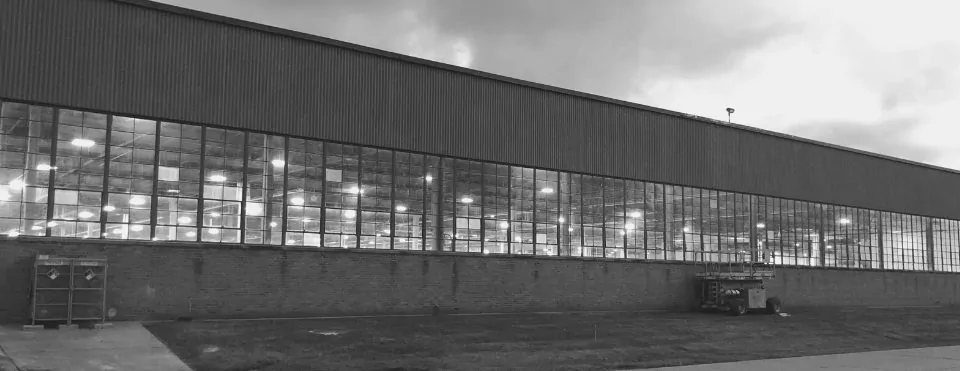
Energy Efficiency Solutions for Leased Commercial Spaces
Sep 29 2026
Upgrading a commercial space to LED or advanced wireless HVAC controls is very popular in 2026. However, for those that lease or rent spaces, we often get the concerns around whether the landlord or the tenant should pay for the improvements, and also whether it makes sense to invest in leased commercial spaces. We will review our common concerns that our clients face, as well as our best practices based on our experience in this important space.
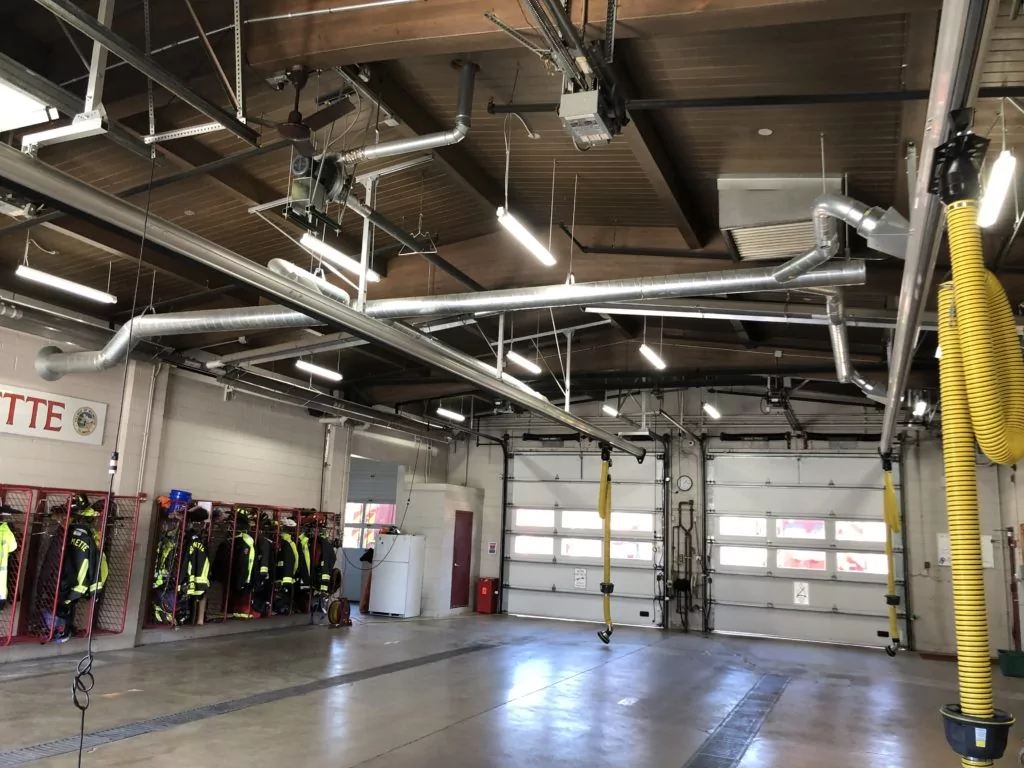
If you own your own space, the tenets of this article are the same, but you are able to think a bit longer term than someone that leases. For example, our most popular clients over the past 10 years have been McDonalds, Libraries and Fire Stations – 3 groups of folks that own their building, have long operating hours, and will most likely be in the same building for the next 10 years.
Who Pays the Utility Bill?
From our experience, the decision to improve the energy usage of a space often comes down to who pays the utility bills. This can be different for gas and electric, but 95% of the electric bills for our clients are paid by the tenant who leases the space. So in this scenario, where you pay your own electric bill – investing in energy efficiency makes sense. While you may be improving a space that you do not own, you can be pragmatic and think about whether the investment provides a good return.
We typically see projects move forward that have a 2 year payback or less, as well as accomplish another benefit for the space like reduced maintenance, more modern feeling, or better control over HVAC systems. So as long as you rent a space and plan to stay, we recommend clients move forward even when they don’t own the space if the basic tenets of an energy efficiency project are met.
When do we not recommend moving forward with a HVAC or Lighting upgrade? Often, folks are focused on the cost today vs the long term operating costs. We have seen a lot of our customers upgrade to free outdoor lighting projects, covered by the utility incentives. However, the dirty little secret is that often the rebates are higher with higher lumen fixtures, so energy costs may actually increase. It is important to focus on the long term energy savings of a project, in addition to the cost today. In fact, only 15% of the cost of lighting and HVAC upgrades is the cost paid today – 85% is paid over the next 10 years in the cost of the maintenance and energy into the equipment.

Who Repairs and Maintains Lighting and HVAC Equipment Makes a Difference
It is important to understand a lease and who is responsible for what. If you are responsible for maintaining lighting and HVAC equipment – then it is your duty to consider upgrading when it makes sense. Of course, you can always run improvements by a landlord, but I have yet to meet a landlord who would decline a tenant paying for upgrades that will benefit the space long term.
Some landlords do have preferred vendors, and that is important to consider. However, if you are paying for the improvements, we recommend you make the decision and inform the landlord on your plan.
I also think what brand of equipment is more important than who puts in the equipment, with brands like Signify, Trane and Pelican likely to last longer and provide deeper and longer savings than unknown brands that may have a shorter warranty or expected life. Leading with this information, like the brand and warranty on the products, can only help ease the concerns between a landlord and a tenant.
How Long is the Lease Determines Project Viability
As noted above, 2 years of payback on energy efficiency projects is the gold standard from our experience. However, there are added benefits that can make folks make decisions with longer paybacks. For example, high efficiency HVAC equipment may have a longer payback period compared to the existing equipment, but if the equipment is older, it will need to get replaced at some point. We recommend budgeting for replacement when units are 12-15 years old, and replace at 15 years of age. At that point, large repairs can cost significant amounts of money, and make it more difficult to invest in replacement of a unit after spending $5,000 to $10,000 on a compressor, heat exchanger or condenser repair.
In those scenarios, we see our clients comparing the cost of doing nothing, the cost of standard efficiency, and the cost of high efficiency. Often, the rebates and incentives for high efficiency equipment can more than offset the additional equipment cost – making the high efficiency option less expensive than the standard efficiency. In that case, it is a no-brainer, once the decision to replace has been made.
Does it make sense to replace a piece of expensive HVAC equipment in a space you lease now and plan to leave in 5 years? Or 10 years? It, of course, all depends on each situation. The answer is not always or never, it depends on the age of the equipment, what are the odds of you resigning another lease, and how important is the comfort of the space to your business operations.
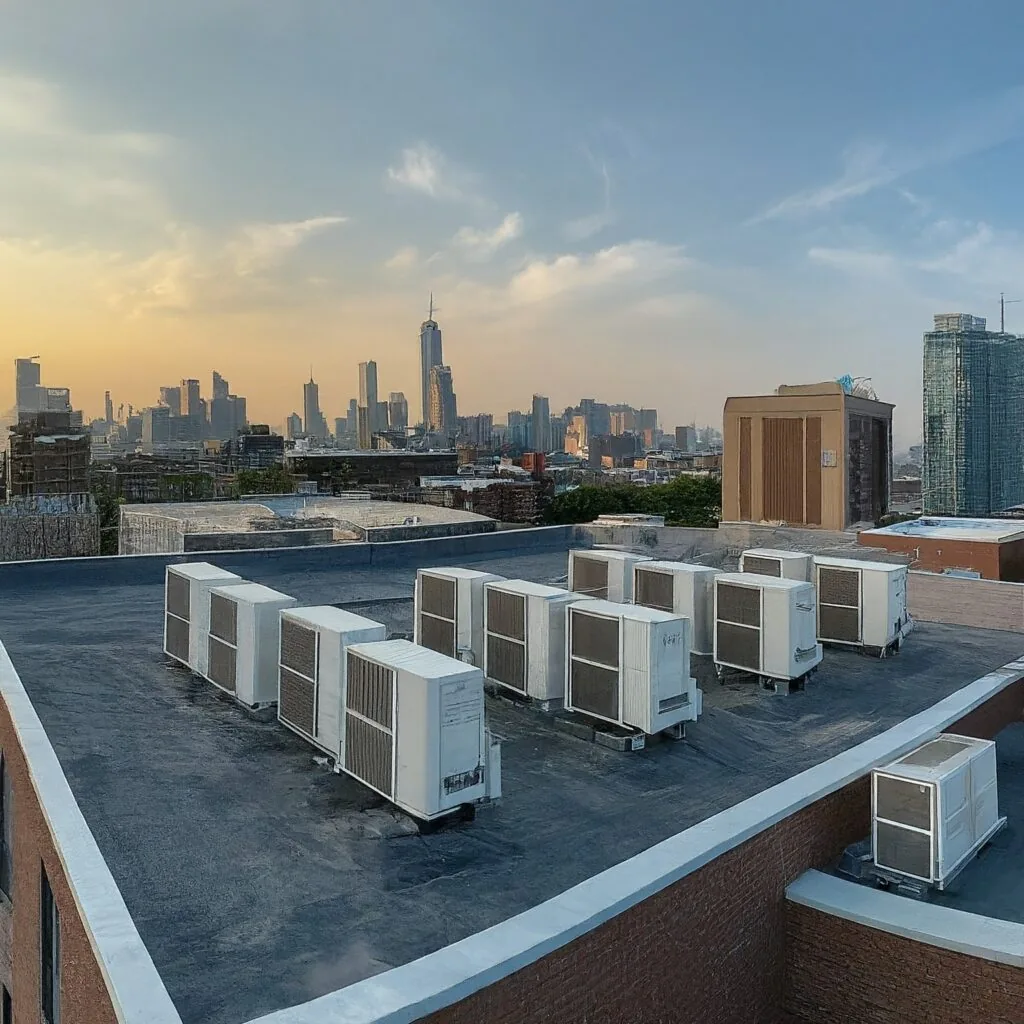
One of our most popular offerings in 2026 for commercial spaces has been Advanced Rooftop Controls packaged with Smart Thermostats from Pelican Wireless. While the costs are fairly fixed, the rebates are based on the size of the rooftop units. Sometimes, these projects can have a payback of less than 2 months – with huge value to folks that own multiple locations. We see them move forward with their owned spaces, and hesitate on the leased spaces. However, since they pay the electric bill, their pause only costs them more in their operating expenses. And both of those improvements benefit the tenant now and the landlord in the long run, since the software has no cost and can be easily transferable to the landlord and then the next tenant.
It is a valid concern, but not one to stop a project – only one to be aware of ways to manage expectations before the project starts and communicate to the landlord.
Now if your lease is ending next month, it really never makes sense to do improvements. However, it is a great time to access a space, and communicate improvements you would like to make if you were to resign. Landlords often provide a budget to make improvements when a space is resigned, so this can help in the long term costs to operate a space after you resign.

Improve a Leased Space with Energy Efficiency
Ultimately, if this answer is yes, reasonable landlords should appreciate this effort and stay out of the way. Will they occasionally push back with concern – absolutely. And that is because often the lease puts the costs on you as the tenant and the higher energy burden is not their responsibility. However, a healthier tenant with lower energy costs only puts you in a position to be a better tenant and afford future rent, so it really is aligned with their long term interests when you reduce the operating costs of a space.
Case Study 1 – Pelican Wireless Advanced Rooftop Controls and Smart Thermostats
Upgrading your HVAC controls to Pelican Wireless Advanced Thermostats gives you a modern, easy-to-use, energy-efficient system. Built specifically for commercial spaces, Pelican combines simple web management with dependable wireless controls. Here is how Pelican creates win-win benefits for both building owners and tenants.
Tenants enjoy lower monthly energy bills, consistent everyday comfort, and effortless control matched to their business hours.
1. Benefits for the Tenant
A. Reduced Utility Costs
- Smart Schedules: Set custom 7-day business hours and holiday setbacks so energy isn’t wasted during off-hours.
- Optimum Start: The system automatically calculates heating and cooling times so spaces reach perfect comfort right as staff arrive.
- Noticeable Savings: Enjoy real reductions on utility bills through smart schedule enforcement and setpoint limits.
B. Intuitive Control & Enhanced Indoor Comfort
- Friendly Mobile App: Adjust settings on the go from your phone or web browser anytime.
- Balanced Comfort: Eliminate annoying hot and cold spots across offices and retail areas.
- Convenient Overrides: Working late? Easily start a temporary override without disrupting regular master schedules.
C. Operational Convenience
- Automatic Updates: Cloud updates keep your system up to date automatically without any hassle.
- Multi-Site Simplicity: Managing multiple locations? Control them all within the same simple app.
2. Benefits for the Landlord
Installing Pelican controls protects your building’s equipment, boosts property value, and gives you total peace of mind with simple remote monitoring.
Note: Thermostats can easily be transferred to new tenants with no setup required and no subscription fees. New tenants enjoy the same controls as the existing tenant.
A. Asset Protection & Remote Diagnostics
- Instant Alerts & Diagnostics: Get quick email or text notifications if temperatures drift or equipment fails, preventing expensive freeze-ups or system damage.
- Performance Monitoring: Clear trend logs track run-time and efficiency, helping you spot maintenance needs before a full breakdown happens.
- Proactive Care: Schedule routine maintenance confidently using real-time usage data.
B. Multi-Tenant & Centralized Portfolio Management
- Single Dashboard Control: Manage all your zones, floors, or properties effortlessly from one smartphone app or web browser.
- Flexible Permissions: Give tenants control over their space while setting safe temperature limits to avoid energy waste.
- Common Area Automation: Easily set schedules for lobbies and hallways so energy is only used when needed.
C. Easy Retrofit & Future-Proof Infrastructure
- Simple Retrofit: Pelican uses your existing thermostat wires and standard wireless mesh networking—no expensive new cabling or wall damage required.
- Easy Expansion: Add or reconfigure zones seamlessly whenever tenant layouts change.
- Modern Appeal: Upgraded, smart climate controls make your spaces more attractive to current and prospective tenants.
Case Study 2 – Lighting Upgrades with Interact Networked Lighting Controls from Signify
Upgrading your lights to LED is a fast payback. However, adding networked lighting controls can really add length to the equipment, since a light turned off or dimmed only adds life to the system (and saves energy).
Tenants enjoy lower monthly energy bills, reduced maintenance, and effortless control matched to the patterns of usage and human traffic.
1. Benefits for the Tenant
A. Reduced Utility Costs
- LED Lights Save Energy: Lighting uses less energy than the fluorescent alternative likely existing
- Controls DIM and Turn OFF Fixtures: In addition to using less energy, you can dim these at fixture level controls that lead to deeper savings than just LED upgrades alone.
- Lower Maintenance: Lights are all replaced at one time, with 70,000 hours of warrantied lighting in most systems.
B. Better Aesthetics
- Crisper Look: LED lighting looks crisper and more modern than fluorescent lighting fixtures
- More Consistent Lighting: Most fluorescent systems have a light out here, and ballast out there. Updating them all at one time provides for consistent lighting for years to come without maintenance
2. Benefits for the Landlord
Installing a LED lighting system will likely last longer than the tenant will be in the space, providing a better experience to show for potential tenants
A. Space Shows Better
- Better Lighting: Most landlords wait until a space is filled to replace the lighting, but this shows poorly to potential tenants.
- Common Area Automation: Lets a tenant see and visualize how controls can improve a space
- Programming Flexibility: With Signify’s Interact system, you can program lights to group together and function how the next tenant wants.
Featured Posts
Mar 15 2021
Energy Savings Formula
In 2002, I became a firefighter in the north suburbs of Chicago. I was young and idealistic - loving almost every part of the job. However, I had another secret passion - sustainability. In addition…
Continue Reading >

May 02 2019
Verde Energy Efficiency Experts 10 Most Sustainable Companies in Chicago
In our energy efficiency consulting firm, we constantly look for inspiration from local companies that lead and innovate in clean energy and sustainability. Not all companies have billion dollar budgets, but that doesn’t mean that…
